




What Is a Residential Proxy?
A residential proxy is an IP address assigned by an Internet Service Provider (ISP) to a real household device, such as a laptop, smartphone, or home router. Unlike datacenter proxies, residential proxies are tied to real users and physical locations, making them appear far more legitimate to websites.

What Is a Residential Proxy?
Because these IPs originate from genuine residential networks, websites are much less likely to detect or block them. This makes residential proxies a preferred choice for tasks that require anonymity, trust, and consistency.
How Residential Proxies Work
Residential proxies route your internet traffic through real devices connected to residential ISPs. When you send a request, it appears as if it’s coming from a normal household user rather than a server or automated system.
Behind the scenes, proxy providers maintain large networks of residential IPs, often sourced through opt-in networks or peer-to-peer systems. Requests are forwarded through these IPs, masking your original location and identity while maintaining a natural browsing footprint.
Residential vs Datacenter Proxies
The key difference lies in how websites perceive them.
Datacenter proxies come from cloud servers and hosting providers. They are fast and inexpensive, but also easy to identify. Many websites flag or block them almost immediately.

Comparison between residential and datacenter proxies
Residential proxies, on the other hand, blend in with regular user traffic. They are harder to detect, harder to blacklist, and more suitable for tasks that require a high level of trust — even though they usually cost more.
In short:
-
- Datacenter proxies prioritize speed and cost
- Residential proxies prioritize legitimacy and success rate
Why Websites Trust Residential IPs
Websites rely on behavioral patterns and IP reputation to identify suspicious activity. Residential IPs pass most of these checks because they are associated with real ISPs, real locations, and normal browsing behavior.
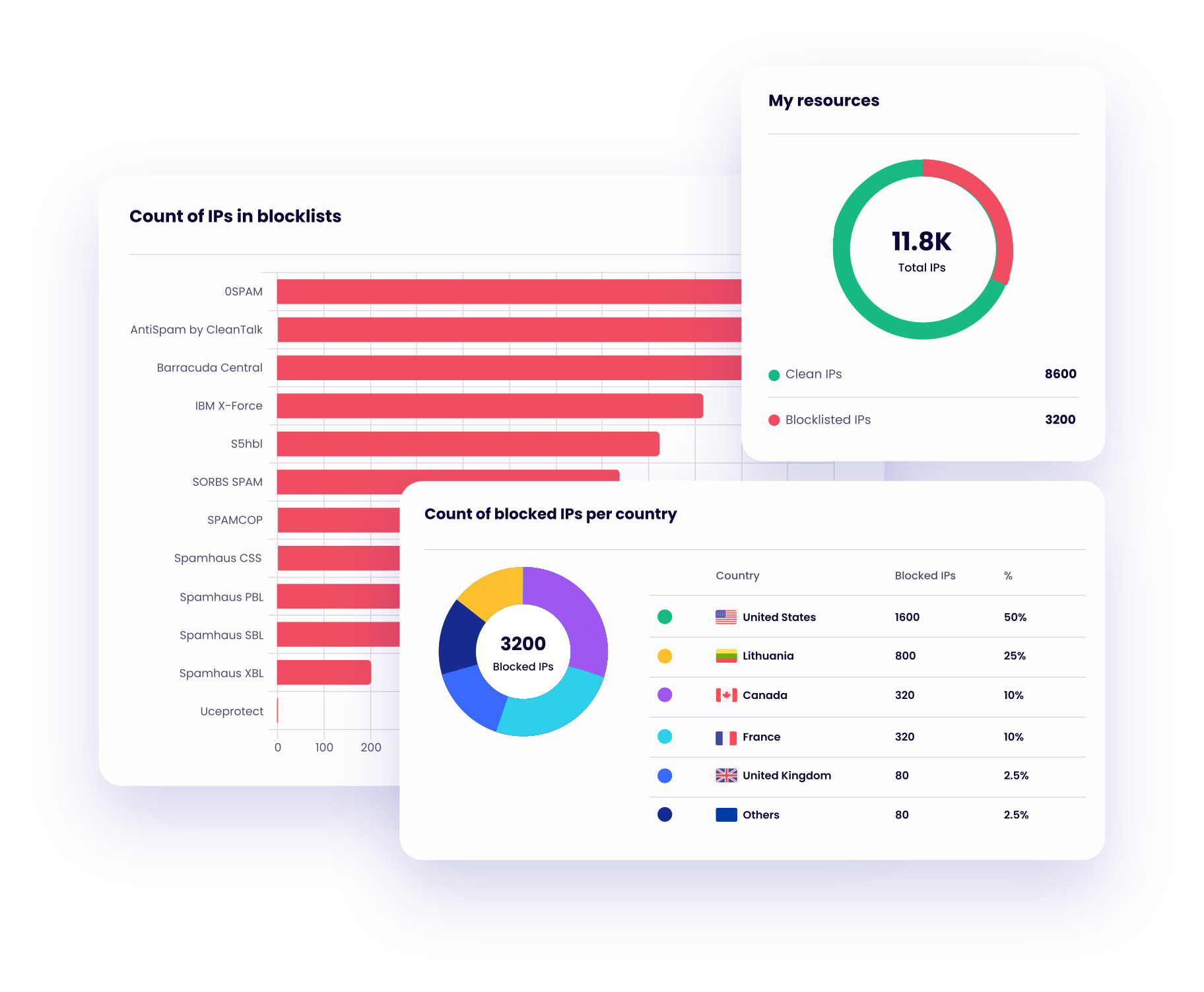
How websites evaluate IP reputation and user behavior
From a website’s perspective, traffic coming from a residential IP looks no different from a regular user checking prices, scrolling social media, or browsing content. This trust factor significantly reduces captchas, bans, and access restrictions.
My Experience Using Residential Proxies
In real-world usage, I found that residential proxies significantly reduced CAPTCHA challenges compared to datacenter IPs.
When running scraping tasks on e-commerce platforms, request success rates improved noticeably, especially during peak hours.
Common Use Cases
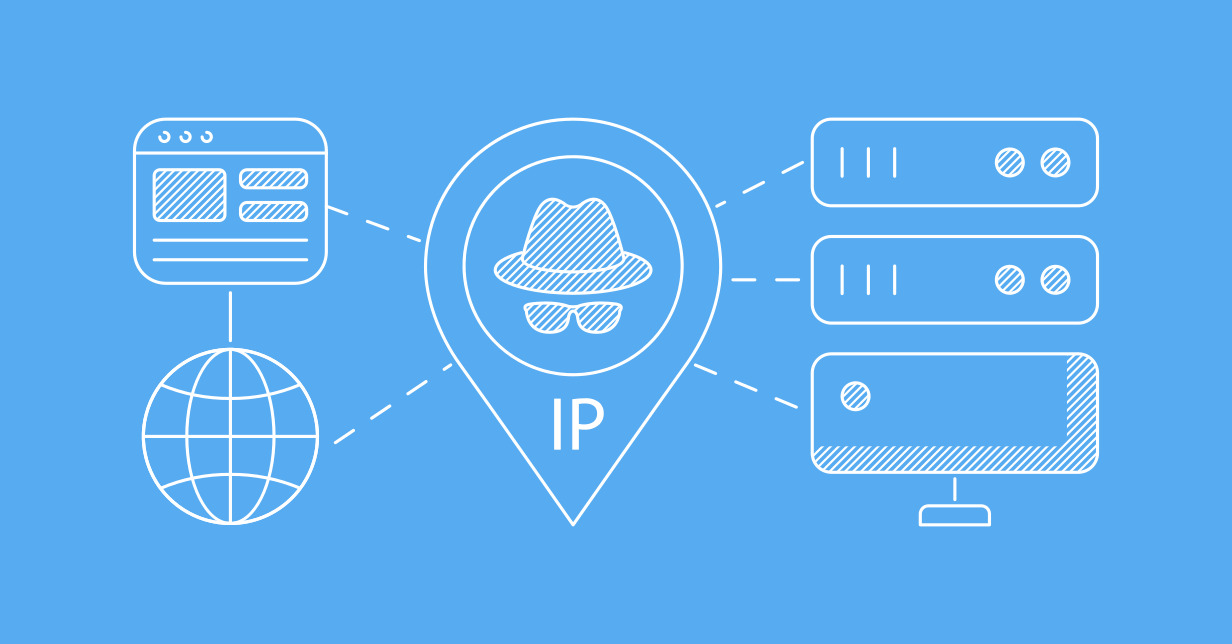
Common use cases of residential proxies
Web Scraping
Residential proxies are widely used for scraping websites that actively block automated requests. They allow data collection at scale while minimizing detection, especially on e-commerce, travel, and search platforms.
Social Media Management
Managing multiple social media accounts from one location often triggers security systems. Residential proxies help distribute logins across different IPs, reducing the risk of account limitations or verification challenges.
Sneaker Bots
In the sneaker and limited-release market, speed alone isn’t enough. Residential proxies help bots bypass purchase limits, geo-restrictions, and IP bans, increasing the chance of successful checkouts.
Rotating vs Sticky Residential Proxies
Rotating residential proxies assign a new IP address at regular intervals or for each request. They are ideal for large-scale scraping and high-volume automation where frequent IP changes are required.

Difference between rotating and sticky residential proxies
Sticky (or session-based) residential proxies keep the same IP for a defined period. These are better for tasks that require login persistence, account management, or multi-step interactions on a single website.
Choosing between the two depends on whether consistency or anonymity is more important for your use case.
Common Mistakes When Using Residential Proxies
- Using residential proxies for low-risk websites where datacenter IPs are sufficient
- Rotating IPs too frequently and triggering abnormal behavior patterns
- Ignoring session persistence when managing logged-in accounts
- Assuming higher cost always means better success rates
When You Should (and Shouldn’t) Use Residential Proxies
You should use residential proxies when:
- Websites aggressively block bots or datacenter IPs
- You need high success rates and low detection
- Tasks involve logins, accounts, or sensitive platforms
You may not need residential proxies when:
- Speed is your top priority
- The target website has minimal restrictions
- Budget constraints outweigh detection risks
Using residential proxies where they aren’t necessary can lead to unnecessary costs without added benefits.
Key Factors to Consider Before Buying
Before choosing a residential proxy provider, consider:
- IP pool size and diversity
- Geographic coverage
- Rotation and session control options
- Bandwidth limits and pricing model
- Ethical sourcing and transparency
A reliable provider should clearly explain how IPs are sourced and offer flexible configurations that match your technical needs.

